
Learn
Explore the open-source quantum software ecosystem with an operator's eye.
Qtangl's library maps the projects, frameworks, simulators, optimization tools, and learning resources that define the modern quantum software landscape. Start broad, narrow by category, and then dive into the resources most relevant to how you want to learn or build.
New · Public curriculum
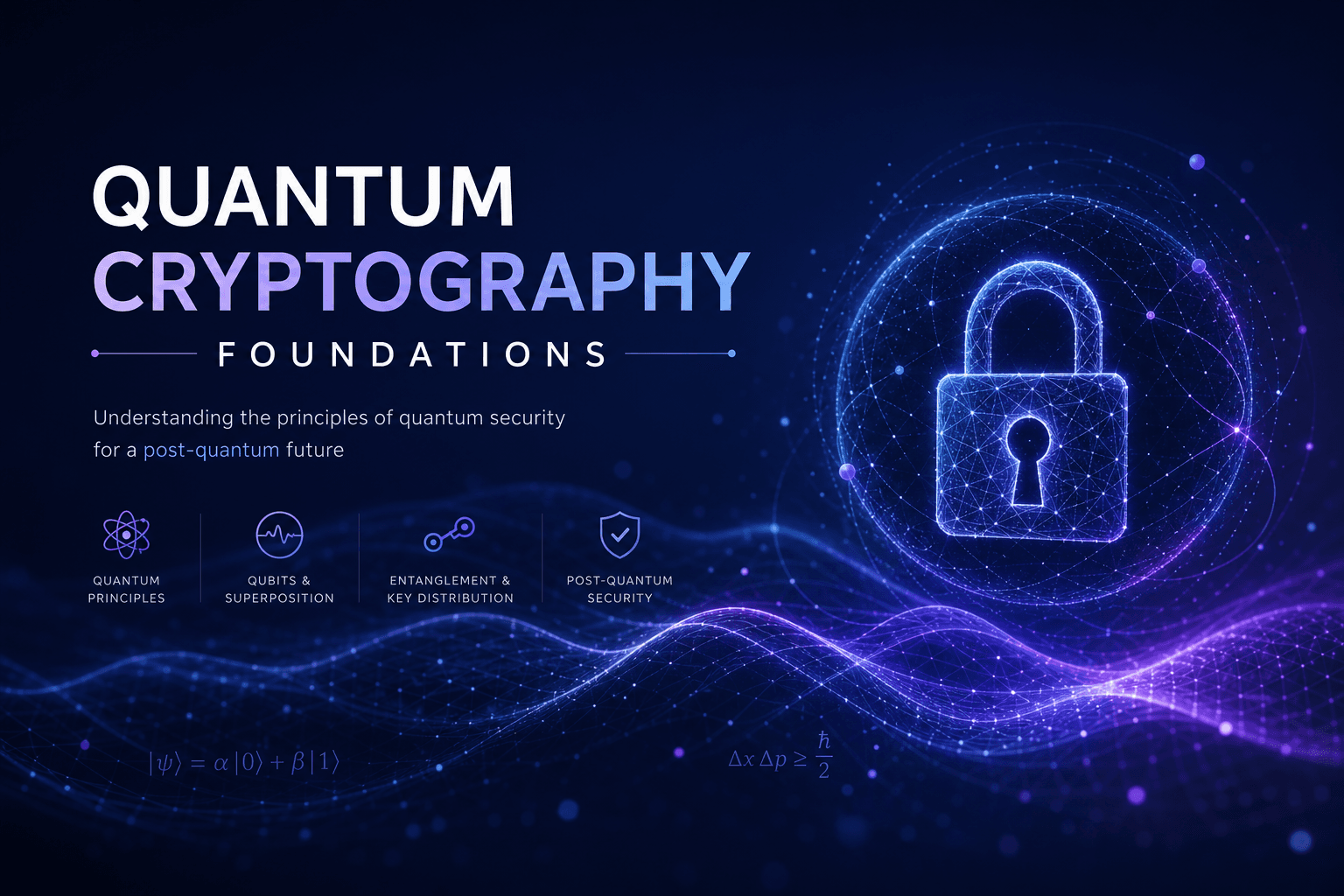
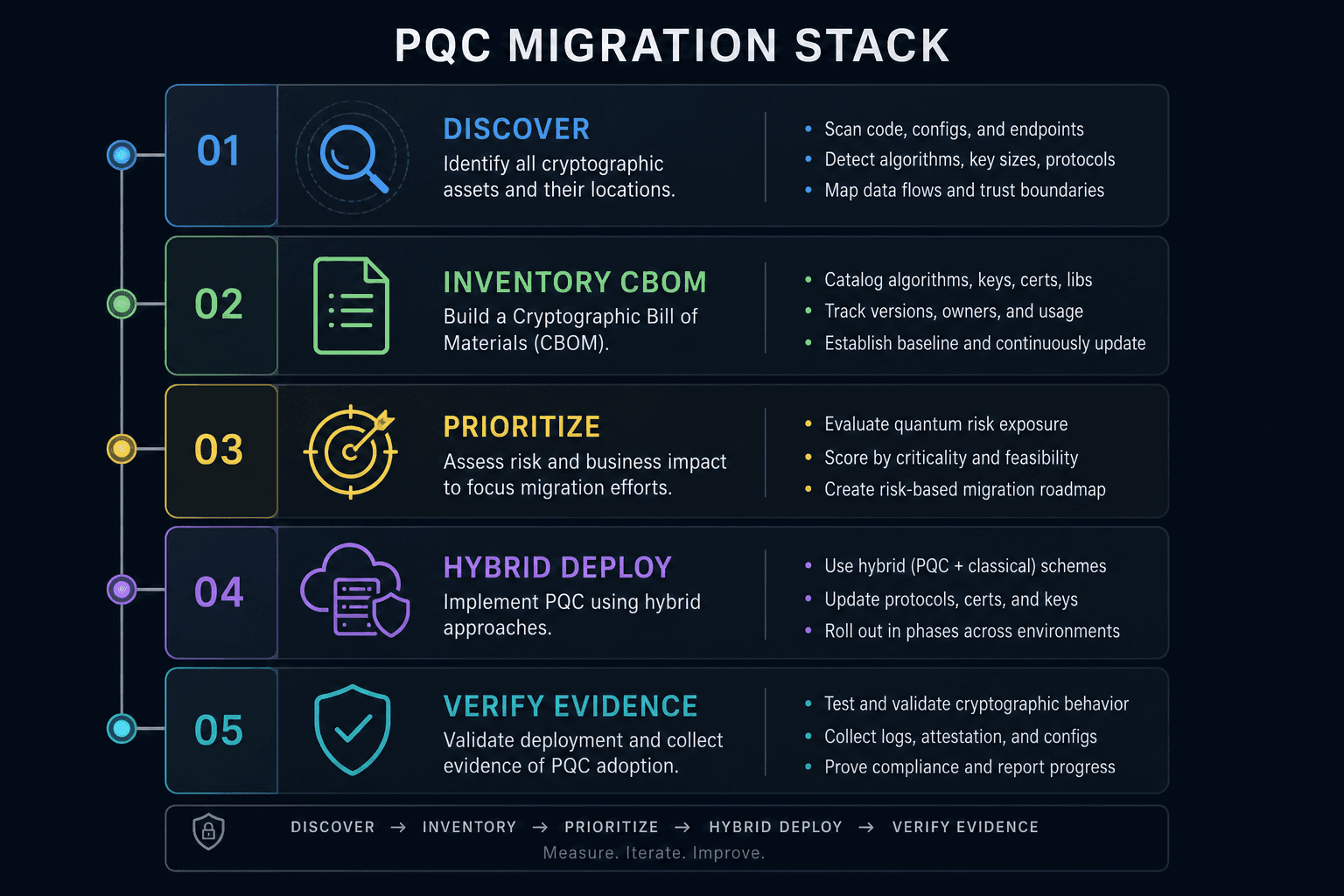
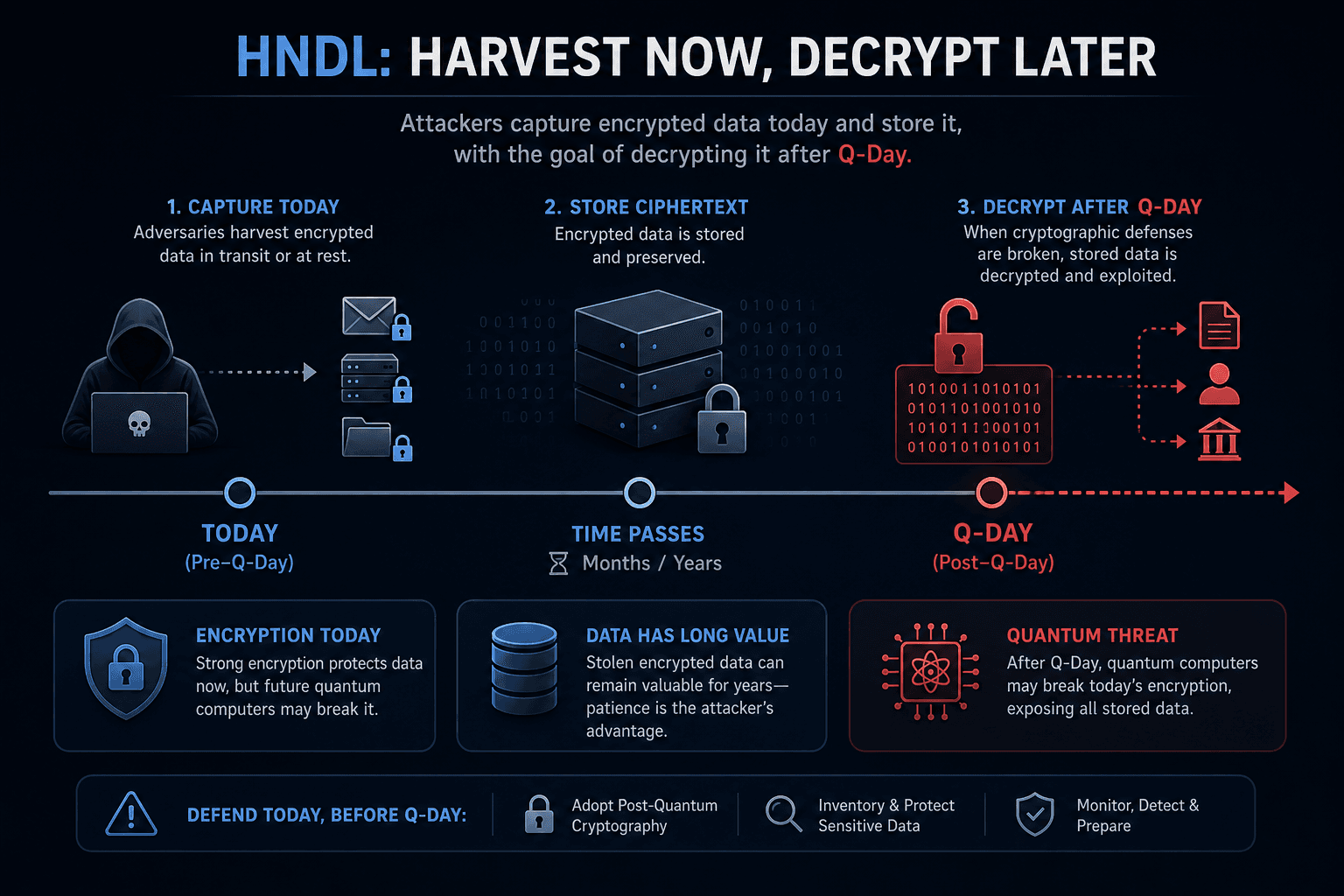
Quantum cryptography: 15 video companions, five layers, free guide.
From Shor's algorithm through NIST FIPS 203–205 and hybrid TLS migration — with embedded YouTube explainers, practitioner articles, and downloadable bibliography.
Start here
What are you trying to do?
Route into the ecosystem by job-to-be-done instead of memorizing project names.
I want to
Build circuits
SDKs, compilers, and cloud runtimes for gate-model workflows.
I want to
Simulate behavior
State-vector, stabilizer, and visualization tooling.
I want to
Solve optimization
QUBO, QAOA, annealing, chemistry, and hybrid solvers.
I want to
Secure systems
PQC, error correction, and networking-oriented stacks.
I want to
Learn the basics
Games, katas, and approachable onboarding resources.
Library snapshot
A readable map of the ecosystem, not just a dump of links.
The learn section turns a large reference corpus into category pages, resource explainers, and topic guides so people can understand what is out there before deciding where to go deeper.
Resources
157
Categories
16
Topic guides
11
Explore by category
See what kinds of tools are actually out there.
The ecosystem is easier to understand when it is grouped by the job each project helps you do: build circuits, simulate behavior, compare optimization methods, learn the basics, or work closer to hardware.
Build
General-purpose SDKs
32 resources
Broad frameworks for building, simulating, and experimenting with quantum circuits across multiple domains.
Pulse and control
9 resources
Tooling for low-level pulse scheduling, experiment orchestration, and laboratory control around quantum hardware.
Compilers and languages
25 resources
Compilers, intermediate representations, domain-specific languages, and transpilation tools for quantum programs.
Cloud and interoperability
3 resources
Projects that connect quantum workflows across providers, cloud runtimes, and software ecosystems.
Simulate
Simulators
16 resources
Projects focused on state-vector, stabilizer, tensor-network, or hardware-inspired quantum simulation.
Visualization and tomography
6 resources
Tools for visualizing circuits, reasoning about states, and reconstructing quantum systems from measurements.
Benchmarks and analysis
3 resources
Benchmark suites, performance studies, and analysis tooling for comparing quantum software and hardware workflows.
Optimize
Quantum chemistry
8 resources
Libraries that connect quantum computing workflows to chemistry, electronic structure, and molecular modeling.
Optimization and QUBO
10 resources
Libraries for expressing and solving combinatorial optimization problems with QUBO, QAOA, or related formulations.
Annealing and Ising
15 resources
D-Wave and Ising-model tools for quantum annealing, embeddings, and heuristic search workflows.
Quantum machine learning
4 resources
Libraries and experiments combining quantum circuit workflows with machine learning models or differentiable programming.
Photonics
4 resources
Frameworks for photonic quantum computing, boson sampling, and optical circuit representations.
Secure
Error correction and mitigation
4 resources
Projects that help analyze, mitigate, or correct quantum errors and noisy computation.
Networking
2 resources
Simulators and frameworks for quantum networking, distributed entanglement, and communication systems.
Post-quantum cryptography
5 resources
Libraries and standards implementations for quantum-safe cryptography and related security tooling.
Learn
Games and learning
11 resources
Interactive projects, puzzles, and educational resources for learning quantum computing concepts.
Start with the tentpoles
Flagship resources worth understanding first.
amazon-braket-sdk-python
A Python SDK for interacting with quantum devices on Amazon Braket
367 stars · Updated 3mo ago
Cirq
Python framework for creating, editing, and running Noisy Intermediate-Scale Quantum (NISQ) circuits.
4,971 stars · Updated 3mo ago
dwave-ocean-sdk
Installer for D-Wave's Ocean tools
524 stars · Updated 3mo ago
liboqs
C library for prototyping and experimenting with quantum-resistant cryptography
2,946 stars · Updated 3mo ago
OpenFermion
Python package for compiling and analyzing quantum algorithms to simulate electronic structures.
1,697 stars · Updated 3mo ago
openqaoa
Multi-backend SDK for quantum optimisation
139 stars · Updated 2y ago
Recently updated
Projects with recent activity.
pennylane
PennyLane is an open-source quantum software platform for quantum computing, quantum machine learning, and quantum chemistry.
3,229 stars · Updated 3mo ago
QuEST
A multithreaded, distributed, GPU-accelerated simulator of quantum computers
473 stars · Updated 3mo ago
cuda-quantum
C++ and Python support for the CUDA Quantum programming model for heterogeneous quantum-classical workflows
1,048 stars · Updated 3mo ago
amazon-braket-sdk-python
A Python SDK for interacting with quantum devices on Amazon Braket
367 stars · Updated 3mo ago
Qrisp
Qrisp - The next generation of quantum algorithm development
267 stars · Updated 3mo ago
catalyst
A JIT compiler for hybrid quantum programs in PennyLane
211 stars · Updated 3mo ago
Qtangl lens
Resources that matter most for a planning and optimization stack.
amazon-braket-sdk-python
A Python SDK for interacting with quantum devices on Amazon Braket
367 stars · Updated 3mo ago
dimod
A shared API for QUBO/Ising samplers.
142 stars · Updated 3mo ago
dwave-ocean-sdk
Installer for D-Wave's Ocean tools
524 stars · Updated 3mo ago
mqt-qmap
MQT QMAP - A tool for Quantum Circuit Mapping written in C++
138 stars · Updated 3mo ago
openqaoa
Multi-backend SDK for quantum optimisation
139 stars · Updated 2y ago
pennylane
PennyLane is an open-source quantum software platform for quantum computing, quantum machine learning, and quantum chemistry.
3,229 stars · Updated 3mo ago
Post-quantum readiness
Libraries explain algorithms. Qtangl proves what you deploy.
Learn covers open-source PQC tooling. For operational inventory, CBOM export, and framework-mapped evidence, start on the Q-Day hub — secondary to this library, not a replacement for it.
Topic guides
Start with the question you are actually trying to answer.
Guide
Quantum computing software in 2026: the open-source map
A guided overview of the open-source quantum software ecosystem by job-to-be-done, not just by project name.
Guide
How to start writing quantum code: an honest path
A practical path from playful intuition-builders to serious frameworks, without pretending everyone should start in the same place.
Guide
Quantum optimization libraries compared: QAOA, QUBO, and annealing
A practical comparison of open-source tools for modeling and testing combinatorial optimization workflows.
Guide
Open-source quantum simulators: what each one is good at
A comparison guide for developers choosing between simulation styles, tradeoffs, and intended workloads.
Guide
Quantum chemistry software for newcomers
A field guide to the chemistry-focused projects most often cited when people talk about practical quantum use cases.
Guide
Post-quantum cryptography libraries you can use today
A practical overview of open-source PQC libraries and why they belong in the broader quantum software conversation.
Guide
Post-quantum cryptography readiness
From inventory to Monitor — how teams prepare for Q-Day with evidence.
Guide
Quantum cryptography foundations: from Shor's to PQC
Five-layer curriculum — threat, HNDL, NIST standards, migration, and evidence — with embedded videos and authoritative links.
Stay current
Learn digest
Full catalog
Search 157 resources without losing context.
The catalog stays readable even when you are scanning dozens of entries. Filter by category, language, or focus area, then open a resource page for a clearer explanation of what it is and why it matters.